Donec efficitur, ligula ut lacinia
viverra, lorem lacus.
Donec efficitur, ligula ut lacinia
viverra, lorem lacus.

In a world dominated by fast trends and disposable goods, decorating with intention stands out as a meaningful alternative. It challenges the norm by encouraging thoughtful choices that prioritise quality, longevity, and personal significance over fleeting style.
Decorating with intention means selecting pieces that serve a purpose, reflect values, and contribute to a sustainable lifestyle within a throwaway culture. This approach not only reduces waste but also creates spaces that feel authentic and enduring.
People who practise intentional decorating focus on mindful curation rather than accumulation. This mindset helps transform homes into environments that are both visually pleasing and emotionally rewarding.
The prevalence of short-lived, low-quality goods influences consumer habits and environmental health. This culture encourages rapid consumption tied to trends rather than lasting value, affecting both homes and ecosystems worldwide.
Throwaway culture in interior design refers to the frequent replacement of furniture and décor, driven by fleeting trends and mass production. Consumers often prioritise low cost and immediate aesthetic appeal over durability or craftsmanship.
This results in furniture being discarded after minor wear or style changes. It reduces the incentive to repair or repurpose items. Many products are designed to have a limited lifespan, reinforcing this cycle of waste.
Disposable interior products contribute significantly to landfill waste and resource depletion. Materials like plastics, particleboard, and synthetic fibres, commonly found in cheap furniture, rarely biodegrade.
Manufacture and transportation generate substantial carbon emissions. The extraction of raw materials, including wood and metals, often leads to habitat loss and pollution. Disposal practices exacerbate pollution, with many items ending up in incinerators or landfill sites.
Planned obsolescence artificially shortens product lifespans through design flaws or trend cycles. This is especially prevalent where interior design intersects with fast fashion principles, seen in mass-produced, trend-driven home accessories.
Fast fashion brands extend this model to décor, encouraging consumers to replace items quickly to “refresh” their spaces. These practices boost sales but increase waste, as the items are rarely made for long-term use.
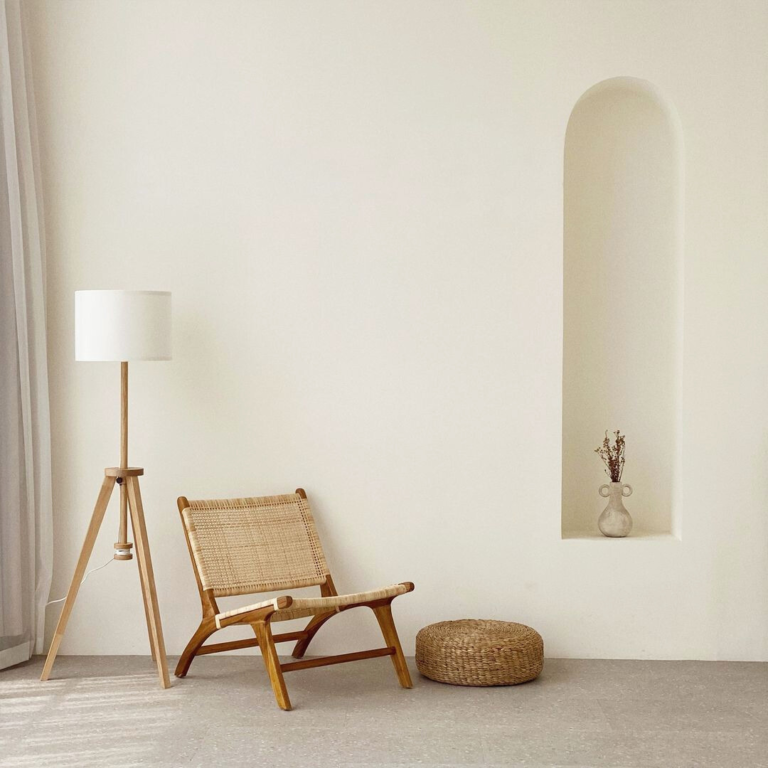
Decorating with intention prioritises thoughtful decisions that create cohesive and purposeful living spaces. It focuses on selecting items that contribute both functionally and aesthetically, aligning with the homeowner’s values and lifestyle rather than trends or impulse buys.
Intentional decorating involves choosing pieces that hold significance beyond their appearance. Individuals often incorporate items that reflect personal history, cultural heritage, or a specific design philosophy, ensuring each element has a reason to exist in the space.
The approach favours quality over quantity. Durable materials and classic designs reduce the need for frequent replacements, supporting longevity in interior design. This mindset counters the disposable nature of fast furniture and fleeting trends.
Emotional durability refers to the bond created between people and their possessions. Items with memories or stories attached tend to be cherished longer, reducing waste and promoting sustainability in interior design.
Objects that tell stories can transform a house into a home by fostering connection and identity. This narrative quality encourages mindful consumption by valuing items that evoke feelings rather than merely decorating spaces for visual appeal.
Intentional decorating resists convenience-driven consumption typical of throwaway culture. Instead of opting for mass-produced, cheap decor to quickly fill a room, it emphasises deliberate selection based on purpose, craftsmanship, and environmental impact.
While convenience often prioritises price and availability, intentional decisions consider the entire lifecycle of a product. This includes sourcing ethical materials, supporting local artisans, and ensuring pieces fit the space’s functional needs efficiently.
Intentional decorating involves selecting items with longevity and value, rather than impulse buying. It focuses on practicality, history, and sustainability by incorporating well-loved objects and maintaining them to preserve their usefulness and charm.
Reuse and recycling reduce waste and demand for new resources. Designers often repurpose materials like reclaimed wood or metal, creating unique décor with environmental benefits.
Items such as glass jars, old textiles, or discarded furniture parts can be creatively adapted to fit modern interiors. This approach also encourages a mindful attitude toward consumption, discouraging the quick replacement of items.
Recycling in interior design extends beyond waste bins: some furniture manufacturers use recycled plastics or fabrics, improving sustainability. Reuse maintains character and cuts costs, making it a practical choice for many.
Repairing damaged decor preserves original craftsmanship and reduces the need to buy new pieces. Small fixes like reupholstering chairs or restoring scratched wood keep furniture functional and attractive.
Refinishing techniques can update pieces without removing their history. Simple actions like tightening joints, replacing hardware, or cleaning upholstery can refresh the appearance significantly.
By investing time and skill in repair, homeowners avoid contributing to landfills and extend the life of valuable items. This practice supports sustainable decorating habits and respects the material labour behind furnishings.
Antiques and vintage pieces carry historic value and design integrity not found in mass-produced goods. Their quality materials and craftsmanship often surpass modern equivalents.
Purchasing from trusted dealers or auctions ensures authenticity and proper condition. Integrating these items adds depth and personality to interiors, blending old and new styles thoughtfully.
Vintage furniture can serve as focal points or functional accents. Items such as an antique sideboard or a mid-century lamp create a lasting aesthetic without promoting disposability. Selecting pieces with timeless appeal supports intentional decoration.
Intentional decorating in a throwaway culture requires practical approaches that reduce waste and improve the lifespan of items. It focuses on choosing well-made pieces, customisation for durability, and adapting habits to lessen the environmental toll from interior design.
Choosing fewer items but with higher quality is essential. Well-crafted furniture and decor last longer, reducing the frequency of replacement and waste. Materials like solid wood, natural fibres, and metal tend to be more durable than cheap plastics or composites.
Investing in classic, timeless designs also prevents the need to follow fleeting trends. He or she should look for pieces that can withstand wear and can be easily repaired or refurbished. This approach lowers overall environmental impact by cutting down consumption and landfill contributions.
Custom or bespoke pieces offer a tailored fit to specific spaces, reducing the temptation to discard or replace them. These solutions often use higher-grade materials and expert craftsmanship. This increases the functional lifespan compared with mass-produced items.
Customers can request repairable features, easy maintenance, and modular designs. This encourages maintaining and adapting furnishings instead of throwing them away. Bespoke options also ensure less material waste during production compared with standard factory processes.
Changing everyday habits plays a key role in sustainable decorating. Individuals can develop routines of maintaining and caring for possessions rather than discarding them. This shift challenges the throwaway culture promoted by fast interior design trends.
He or she should foster an appreciation for meaningful objects with stories or handmade qualities. Practising mindful consumption, such as planning purchases carefully and avoiding impulse buys, also supports sustainability. The result is a home environment that values longevity and reduces environmental harm.