Donec efficitur, ligula ut lacinia
viverra, lorem lacus.
Donec efficitur, ligula ut lacinia
viverra, lorem lacus.

Design choices often serve as a direct reflection of personal values, revealing what individuals prioritise in their lives. Whether it’s a preference for sustainability, simplicity, or innovation, the way someone designs their space, products, or digital presence can communicate deeply held beliefs without needing words.
These design decisions provide a window into personal identity, showing how people express their ethics, culture, and lifestyle through aesthetics and functionality. Understanding this connection helps to appreciate why certain styles or materials resonate more with some than others, highlighting the meaningful impact of design on daily living.
This article explores how various design elements mirror individual values, encouraging readers to recognise the subtle messages behind their own and others’ choices. By grasping this relationship, it becomes possible to create environments and products more aligned with what truly matters to each person.
Design choices often serve as a direct expression of a person’s core beliefs, personality, and how they wish to interact with their environment. The process integrates individual values with creative decisions, influencing both the aesthetic and functional aspects of a space or object.
Design inherently mirrors the convictions and priorities of the designer or user. For instance, someone committed to sustainability may prioritise eco-friendly materials and energy-efficient solutions. This reflects a design philosophy grounded in environmental responsibility.
Choices about colour, texture, and form often reveal deeper preferences and cultural influences. A minimalist style can indicate a value for simplicity and clarity, while vibrant, eclectic elements may express creativity and openness.
Personal values act as a decision-making framework guiding each stage of design. They determine what features are essential, how space is organised, and which technologies or materials are suitable. For example, an individual valuing accessibility will emphasise barrier-free layouts.
These values influence interactions within the designed environment, too. A family-focused person might design communal spaces to encourage togetherness. Thus, values shape not only appearance but also social dynamics and daily behaviours.
Personalised design creates an emotional connection that fosters comfort and identity. A space aligned with someone’s personality can reduce stress and improve well-being by reinforcing a sense of control and belonging.
When design resonates with personal values, it supports emotional needs such as security, self-expression, and motivation. This emotional impact is crucial, especially in homes and workplaces where users spend significant time.
Design choices reveal how individuals prioritise simplicity, modernity, colour, and sustainability. Each style communicates distinct values, such as a preference for order, innovation, emotional warmth, or environmental responsibility.
Minimalism reflects a desire for clarity and focus, often tied to valuing functionality over decoration. A minimalist style uses clean lines, neutral tones, and limited furnishings to create a clutter-free environment. This approach appeals to those who prioritise mental clarity and efficiency in daily life.
Adopting a minimalist design style often signifies a commitment to reducing distractions and excess, making space for only essential items. It reflects personal values centred on simplicity and mindful consumption. Minimalist environments also promote calmness, which is why they attract individuals seeking organised, stress-free living areas.
Contemporary design embraces current trends and innovation, highlighting sleek surfaces, open spaces, and a mix of textures. This style communicates adaptability and a forward-looking mindset. It features materials like glass, steel, and concrete, emphasising progress and technology.
Modern design, while similar, often refers to the mid-20th century with its emphasis on function and form. It values minimal ornamentation but includes bold shapes and primary colours. Both styles attract those who identify with progressiveness and clarity, seeing their living space as a reflection of their dynamic outlook.
Colour palette choices express emotional and psychological states. People who favour muted, neutral colours like beige, grey, or white often value calmness and restraint. In contrast, bold colour schemes with vibrant reds, blues, or greens indicate a preference for energy and creativity.
The colour scheme can signal cultural identities or personal histories, making design deeply personal. Coordinated palettes enhance harmony in a space, reflecting a desire for balance and order. Irregular or eclectic colour use may reveal a playful or unconventional personality.
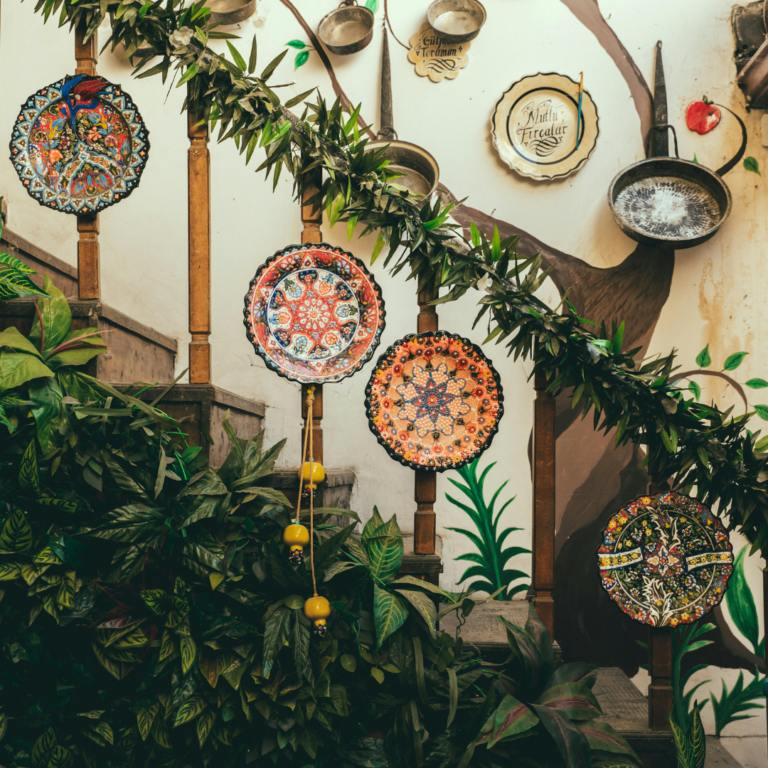
Incorporating natural elements, such as wood, stone, or plants, signals a connection to nature and sustainability. Choosing eco-friendly materials reflects values of environmental responsibility and ethical living. This design style promotes well-being and a conscious lifestyle.
Eco-friendly materials include reclaimed wood, bamboo, and non-toxic finishes. Their use often indicates a commitment to reducing environmental impact. Natural design elements work to create spaces that are organic and refreshing, favouring authenticity over artificiality.
Design choices can convey personal priorities such as comfort, creativity, and practicality. Colour schemes, furniture, and lighting work together to create a space that reflects individual identity and lifestyle needs.
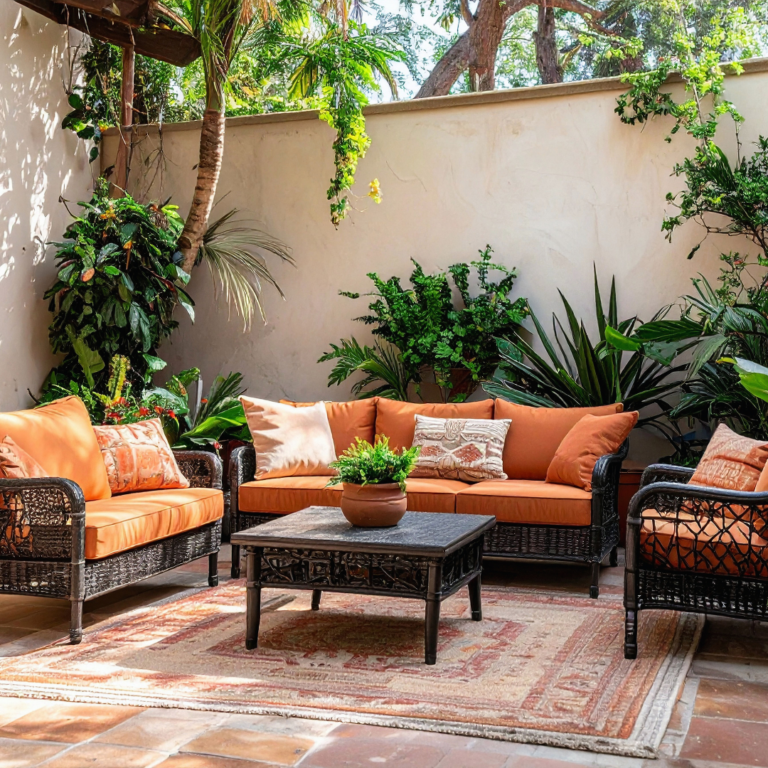
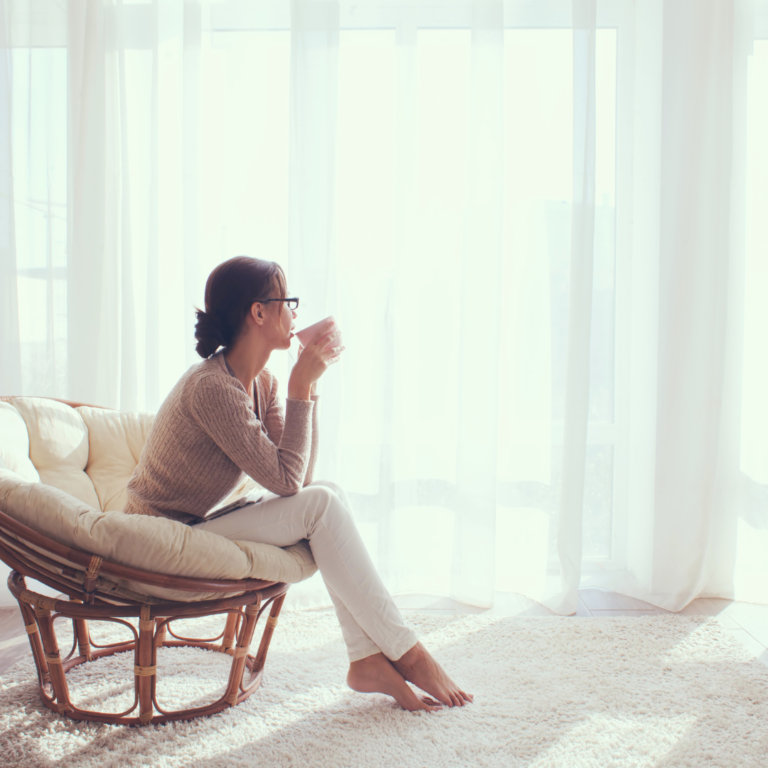
Interior design shapes how welcoming a room feels. Choosing warm colours like soft beige or earthy tones helps create a comforting environment. Incorporating natural light through large windows or sheer curtains enhances mood and openness.
Adding plants and textured fabrics contributes to an inviting atmosphere. Furniture layout matters; arranging seating to encourage conversation supports a sense of connection. Personal touches such as artwork or meaningful objects reinforce the uniqueness of the home design.
DIY projects allow individuals to inject personal values directly into their living space. Customising furniture with paint or upholstery colours reflects creativity and sustainability. Small upgrades like handmade cushions or reclaimed wood shelves demonstrate a commitment to craftsmanship and eco-consciousness.
These projects provide control over materials and designs that align with one’s tastes and ethics. They also offer satisfaction from hands-on involvement in home design. Simplicity is key to ensuring DIY work enhances, rather than overwhelms, the existing décor.
Effective living spaces balance visual appeal with practical use. Storage solutions, such as built-in cabinets or multi-functional furniture, maintain order without sacrificing style. Colour choices should support the function of the room, for example, calming blues in bedrooms or energising yellows in workspaces.
Natural light is a vital element that both beautifies and improves usability. It reduces the need for artificial lighting during the day, cutting energy costs. Thoughtful design respects both how a space looks and how it supports daily activities.
Design reflects shifting preferences driven by cultural, technological, and ethical factors. Innovation, especially through AI, now plays a critical role in personalising design while challenging traditional creative processes.
Recent design trends focus on sustainability, minimalism, and inclusivity. Consumers increasingly value eco-friendly materials and processes, pushing designers to consider environmental impact as a core value. Minimalism remains popular for its emphasis on functionality and clarity, aligning with modern lifestyles that prioritise efficiency.
Inclusivity drives design choices that accommodate diverse user needs based on age, ability, and cultural background. This approach reflects the values of equity and respect. Colours, typography, and interface elements are selected to ensure accessibility, while representation in imagery resonates with broader audiences.
Designers act as intermediaries between cultural values and practical application. They interpret societal shifts and embed those principles into products, services, or environments. This responsibility demands awareness of ethical issues, such as sustainable sourcing and user privacy.
They collaborate with clients and users to align design outcomes with authentic personal or organisational values. The designer’s vision thus influences not only appearance but also behaviour and perception. This makes design a tool for expressing identity and fostering community.
AI enables highly customised design by analysing user data and predicting preferences. It streamlines processes like layout generation and colour selection, saving time and enhancing precision. AI tools allow rapid iterations and real-time adjustments based on user interaction patterns.
However, reliance on AI raises questions about creativity and originality. Designers must balance algorithmic suggestions with human intuition to maintain genuine expression. AI also introduces concerns about data privacy and bias, which require vigilance during development and deployment.
| Aspect | Impact of AI |
| Customisation | Enables tailored user experiences |
| Efficiency | Automates repetitive tasks |
| Creativity | Augments rather than replaces human input |
| Ethical Concerns | Necessitates attention to bias and privacy |