Donec efficitur, ligula ut lacinia
viverra, lorem lacus.
Donec efficitur, ligula ut lacinia
viverra, lorem lacus.

Creating furniture that endures requires selecting quality materials and applying precise craftsmanship. Using durable hardwood, strong joinery techniques, and attention to detail ensures the piece remains functional and attractive for decades. This approach prevents common issues like warping, weakening, or superficial damage over time.
Understanding how to protect and maintain furniture after construction also plays a critical role. Proper finishing, regular care, and knowing when to make repairs contribute significantly to longevity. Those who invest in these practices avoid frequent replacements and wasted resources.
Timeless furniture relies on solid structural design, well-chosen materials, and user comfort. Focusing on these elements ensures pieces remain functional and visually relevant for decades.
Durability begins with understanding stress points and load distribution in furniture design. Frames should incorporate strong joinery techniques, like dovetails or mortise and tenon joints, which increase stability over time.
Avoid shortcuts such as excessive use of nails or glue that degrade with wear. Reinforcing corners and using hardwood for internal frames can withstand heavy use and environmental changes.
Designers prioritise simplicity in form, avoiding fragile details that can break easily. This focus on structural integrity extends lifespan without frequent repairs.
The choice of materials significantly impacts furniture longevity. Solid hardwoods like oak, walnut or maple offer natural resistance to wear and damage compared to softwoods or laminates.
Use finishes that protect against moisture, stains, and UV damage without compromising the wood’s breathability. Quality fabrics for upholstery should be tested for abrasion resistance and fade.
Avoid materials prone to warping or cracking. Sustainable sourcing of materials is preferred as it maintains wood quality and environmental responsibility.
Ergonomic furniture supports user comfort and health, which contributes to lasting appeal and usability. Proper seat height, backrest angle, and armrest placement reduce strain during extended use.
Designers use anthropometric data to tailor proportions to average body measurements, ensuring products fit diverse users. Adjustable features can enhance adaptability without sacrificing style.
Comfortable furniture encourages regular use, decreasing the likelihood of abandonment. Incorporating ergonomic principles balances form with function, essential for lasting value.
Durability in furniture is rooted in both the quality of materials and the methods used during construction. Attention to detail and solid techniques ensure a final product that withstands daily use over time. The techniques below focus on crafting strong, reliable furniture.
Timeless furniture starts with robust construction methods such as frame-and-panel designs and mortise-and-tenon joints. These methods distribute stress and prevent weak points, enhancing structural integrity.
Using hardwoods like oak or walnut for core frames adds resilience. Reinforced corners with double dowelling or metal brackets improve load-bearing capacity.
Avoiding glue-only joints is critical; mechanical fastening or interlocking joints provide better stability. Additionally, applying finishes that penetrate the wood protects against moisture and reduces wear, preserving both look and strength.
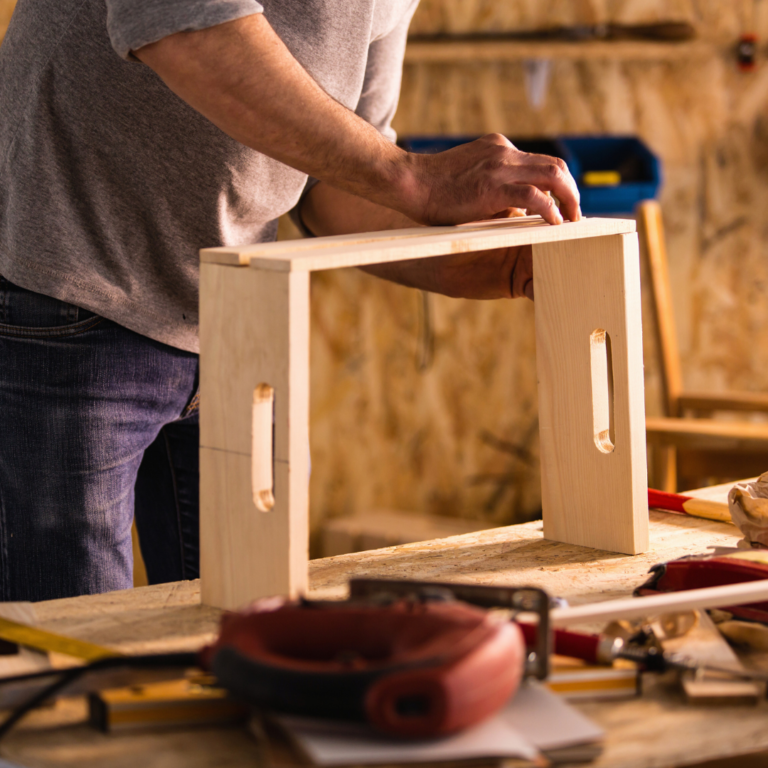
Precision in joinery significantly impacts durability. Techniques such as dovetail and finger joints interlock wood pieces tightly, maximising glue surface area and resisting pulling forces.
Craftsmen ensure exact measurements and clean cuts to avoid gaps that could weaken joints over time. Chamfered edges and consistent sanding prevent stress concentrations, which can cause cracking.
Details like recessed screws or hidden fasteners reduce exposure to damage, preserving the furniture’s appearance and strength. Well-executed joinery balances aesthetic appeal with mechanical performance, resulting in long-lasting pieces.
Creating furniture that endures requires a strategic blend of attractive design and practical use. Choosing adaptable styles, aligning pieces with the room’s function, and opting for flexible solutions enhance both the lifespan and relevance of furniture.
Classic furniture styles often prevail in durability and timeless appeal. They avoid rapid obsolescence by employing simple shapes, neutral colours, and traditional materials like solid wood and leather. This approach reduces frequent replacements due to changing tastes.
Trend-driven furniture may initially attract with bold colours or unique shapes. However, these designs risk becoming outdated quickly, potentially limiting their longevity. Those prioritising long-term value should favour restrained aesthetics that can integrate with evolving interior design preferences.
Furniture should complement the purpose of the room while fitting seamlessly into the overall interior design. For example, a sturdy oak dining table aligns with both formal dining rooms and casual kitchen spaces, resisting damage from daily use.
Designers focus on usability, such as ergonomic seating and proportionate dimensions, to ensure comfort and practicality. This synergy reduces the need to replace pieces that fail to meet functional demands or clash with interior themes.
Furniture that serves multiple functions supports longevity by adapting to changing needs. Examples include sofa beds, extendable tables, and storage ottomans. These pieces reduce clutter and maximise space.
Modular furniture allows users to reconfigure components as requirements evolve. This flexibility accommodates shifts in lifestyle or room layout without discarding entire units. Choosing modular or multipurpose designs adds value by prolonging usefulness.
Ethical furniture making involves prioritising responsible sourcing and manufacturing methods that reduce environmental impact. It balances the use of high-quality materials with production practices that support long-lasting durability and environmental care.
Sustainable furniture production starts with selecting responsibly harvested timber, such as FSC-certified wood, to prevent deforestation. Reclaimed wood and bamboo are also popular choices, offering durability while reducing waste.
Manufacturers should use non-toxic finishes and adhesives to minimise environmental toxins. Energy-efficient machinery and water-based paints further reduce pollution during production.
Waste reduction is crucial. Many artisans reuse offcuts or recycle by-products. This decreases landfill waste and preserves resources.
Table: Sustainable Material Benefits
| Material | Benefit | Environmental Impact |
| FSC-Certified Wood | Forest protection | Low, supports regrowth |
| Reclaimed Wood | Reduces waste | Minimal, reuses existing |
| Bamboo | Rapid growth, durable | Low, sustainable resource |
Craftsmanship emphasises skilled manual labour and attention to detail, resulting in furniture that lasts decades. Craftspeople often prioritise durable joints and finish work that resists wear.
Mass production focuses on speed and volume, frequently using cheaper materials and assembly methods that reduce strength and durability. This leads to more frequent replacement and waste.
Craftsmen invest time in selecting high-quality materials, ensuring each piece can withstand daily use. Mass-produced items may use engineered wood or veneers, which degrade faster.
Choosing handmade furniture supports traditions, reduces environmental strain, and promotes products built to endure rather than be disposable.